When Research Is Not a Phase
Designing continuous decision systems with users, not assumptions
The decision at risk
The organization needed to decide how to evolve and maintain mature digital products over time, without losing relevance for users.
Decisions were being made primarily from isolated qualitative or quantitative data points, risking a loss of contextual understanding and leading to biased assumptions, rework, and slow adaptation.
Why it was risky
Why this mattered
In mature products, researching users only once turns the product into something static disconnected from how users actually evolve, behave, and adapt over time.
My point of view
Research is not a phase, it’s a decision system that must evolve with users.
Without cadence and iteration, data loses context and products slowly become obsolete.
What I needed to understand
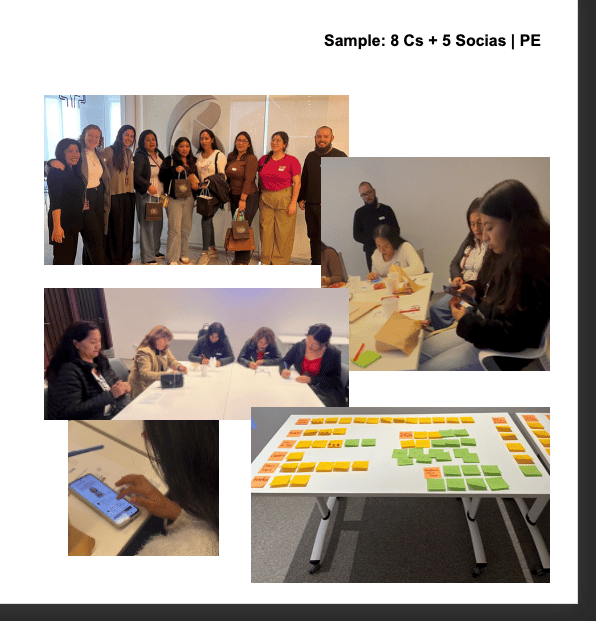
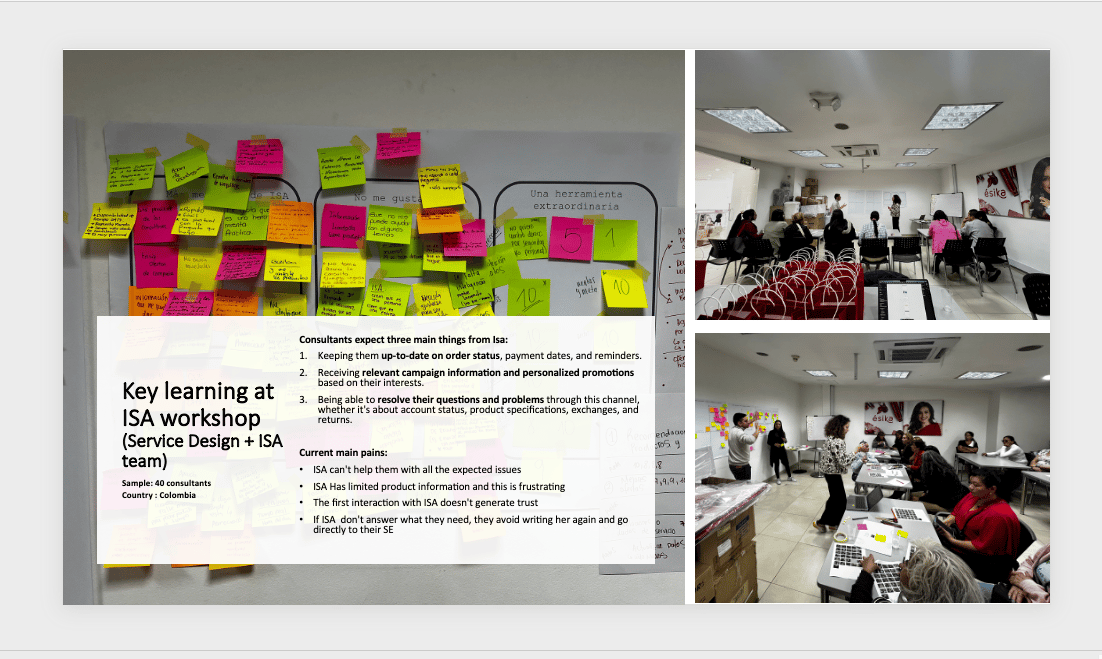
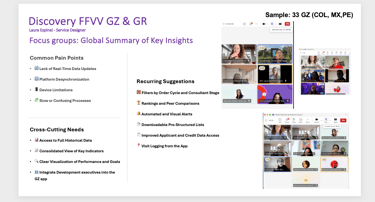
Collaborative exploration to surface assumptions and align perspectives
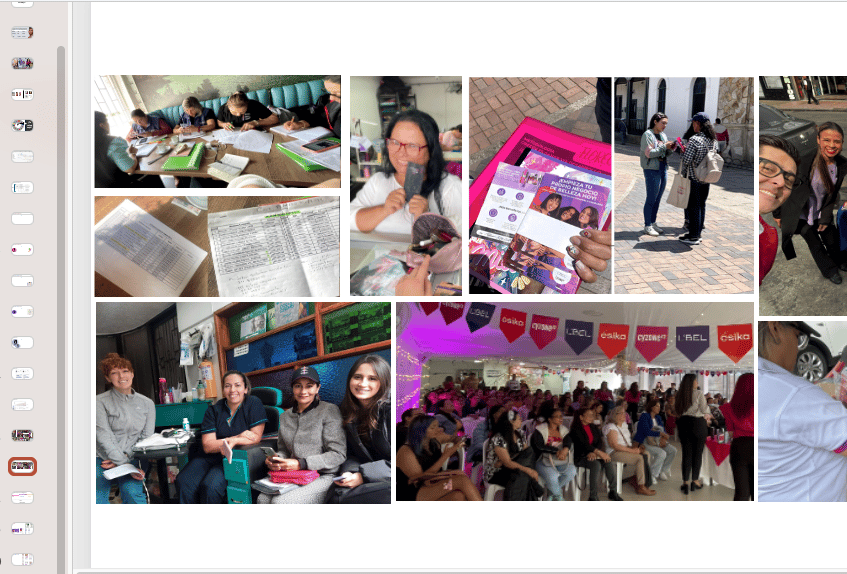
In-context observation to understand real constraints and behaviors
Quantitative validation to contrast qualitative insights and support decisions
Continuous feedback loops across development, maintenance and annual releases
How user behavior evolved over time in mature digital products
Where qualitative insights needed to be contrasted with quantitative signals to reduce bias
How often assumptions became outdated without the team noticing
How this was explored
What changed?
Research was understood as a continuous decision support system
Qualitative and quantitative insights were intentionally contrasted to reduce bias
Iteration points made outdated assumptions visible early
Research was treated as a one-time input
Data points were analyzed in isolation
Assumptions aged silently
Before
After
Impact on the system
Users were no longer something to “check once”, but a system the organization learned to listen to over time.
Years later, this work reinforced a core belief:
Products that don’t evolve with their users eventually get rejected, no matter how well they were designed initially.